
The Ultimate Guide to Skyrizi: Uses, Benefits, Side Effects
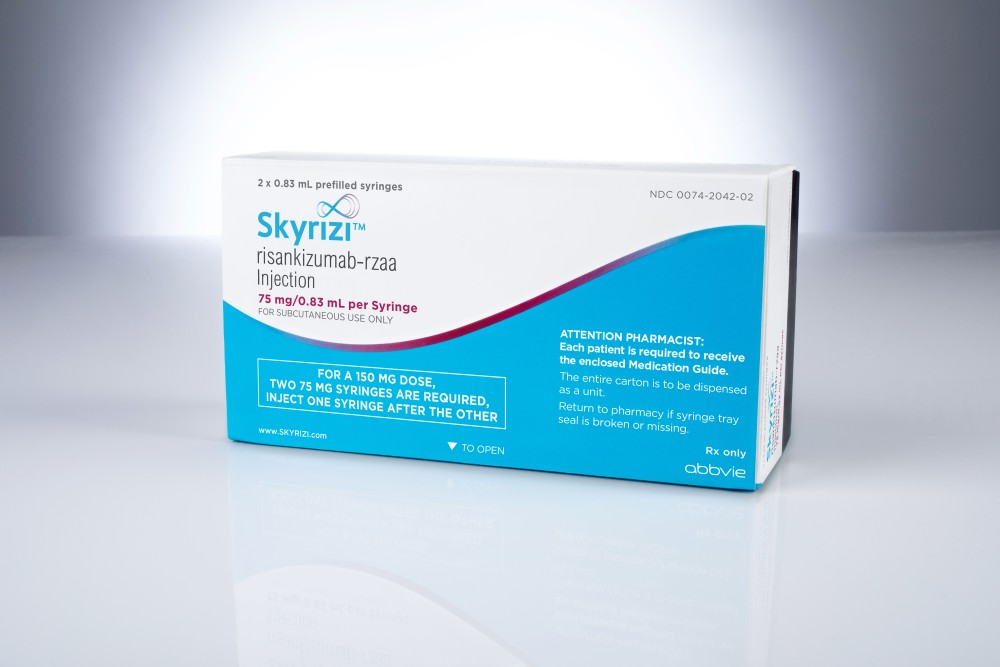 Skyrizi (generic name: risankizumab-rzaa) is a prescription biologic medication used to treat a range of chronic inflammatory diseases by targeting a protein in the immune system called interleukin-23 (IL-23). This targeted action helps reduce excessive inflammation that causes symptoms in several conditions.
What Is Skyrizi?
Skyrizi is a biologic medicine prescribed for adults to treat:
- Moderate to severe plaque psoriasis
- Active psoriatic arthritis
- Moderate to severe Crohn’s disease
- Moderate to severe ulcerative colitis
It’s an IL-23 inhibitor, meaning it blocks the action of interleukin-23, a cytokine involved in immune-mediated inflammation.
How Skyrizi Works
Skyrizi works by attaching to and blocking IL-23, reducing inflammation throughout the body. Lowering IL-23 activity helps improve symptoms related to skin, joint, and intestinal inflammation.
Benefits of Skyrizi
1. Effective for Multiple Conditions
Skyrizi is approved for both skin (psoriasis) and joint (psoriatic arthritis) diseases, as well as gastrointestinal diseases like Crohn’s and ulcerative colitis.
2. Fewer Doses Needed
After initial loading doses, maintenance injections are only required every 8–12 weeks, which can improve convenience for long-term treatment.
3. Targets Inflammation More Precisely
By focusing on IL-23, Skyrizi can reduce inflammation more specifically than some older treatments.
Possible Side Effects
Like all medicines, Skyrizi can cause side effects. Some common reactions include:
- Upper respiratory infections
- Headache
- Fatigue (feeling tired)
- Injection site reactions (redness or pain)
- Fungal skin infections
- Fever and joint pain (in certain conditions)
Serious side effects can occur but are less common. These may include allergic reactions, serious infections, and liver issues. Always contact a healthcare provider if you notice symptoms like trouble breathing, severe rash, fever, or yellowing skin.
How Skyrizi Is Given
Skyrizi may be administered by:
- Subcutaneous injection (under the skin)
- Intravenous infusion (for certain conditions like Crohn’s disease induction doses)
Dosing schedules vary by condition and patient-specific factors — always follow your doctor’s instructions.
Conclusion
Skyrizi is a modern biologic therapy that offers significant benefit to adults with chronic inflammatory conditions like psoriasis, psoriatic arthritis, Crohn’s disease, and ulcerative colitis. With less frequent dosing and targeted action, it’s an important option in disease management — but like all medicines, it requires careful monitoring for side effects and proper medical guidance.
Frequently Asked Questions (FAQs)
Q1: What does Skyrizi treat?
Skyrizi treats moderate to severe plaque psoriasis, active psoriatic arthritis, moderate to severe Crohn’s disease, and ulcerative colitis in adults.
Q2: How often is Skyrizi given?
After initial loading doses, Skyrizi maintenance injections are typically every 8–12 weeks.
Q3: What are common side effects of Skyrizi?
Common side effects include respiratory infections, injection site reactions, headaches, fatigue, and fungal infections.
Q4: Can Skyrizi cause serious side effects?
Yes — rare but serious risks include severe allergic reactions, serious infections, and liver issues. Prompt medical evaluation is needed if you have concerning symptoms.
Q5: Is Skyrizi safe for everyone?
Skyrizi may not be suitable for people with active infections, tuberculosis, or certain other health conditions. Discuss your medical history with your healthcare provider.
Discover the benefits of Skyrizi treatment options — visit our website https://americaninfusioncare.com/treatment-and-care/available-therapies/ and call us at (832) 800-3213 to speak with our care team.