
Remicade: Complete Guide to Uses, Benefits, Side Effects, and Infusion Therapy
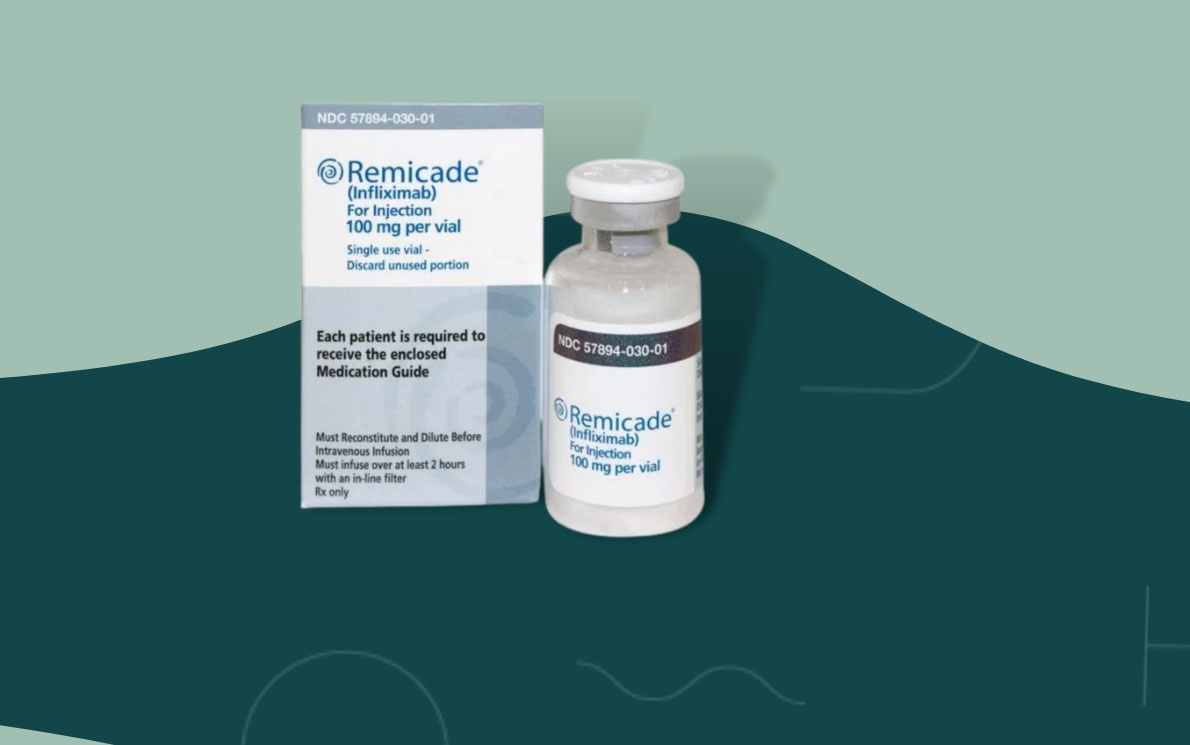 Remicade is a prescription medication widely used to treat several chronic autoimmune and inflammatory diseases. It belongs to a class of drugs known as biologics and works by targeting the immune system to reduce inflammation. Remicade infusion therapy has helped thousands of patients manage conditions that previously had limited treatment options.
This guide explains Remicade uses, benefits, dosage, and possible Remicade side effects so patients can better understand this advanced treatment.
What is Remicade?
Remicade (infliximab) is a biologic medication that blocks a protein in the body called tumor necrosis factor-alpha (TNF-α). This protein plays a major role in causing inflammation in autoimmune diseases. By blocking TNF-α, Remicade treatment reduces inflammation, pain, and tissue damage.
Unlike oral medications, Remicade infusion is given directly into the bloodstream through an IV at a medical facility under professional supervision.
Remicade Uses
Doctors prescribe Remicade to treat several autoimmune and inflammatory conditions, including:
- Crohn’s disease
- Ulcerative colitis
- Rheumatoid arthritis
- Psoriatic arthritis
- Ankylosing spondylitis
- Plaque psoriasis
These conditions occur when the immune system attacks healthy tissues. Remicade therapy helps control this abnormal immune response.
How Remicade Infusion Therapy Works
During a Remicade infusion, the medication is delivered slowly through an IV over a couple of hours. The typical Remicade dosage schedule includes:
- Initial dose
- Second dose at 2 weeks
- Third dose at 6 weeks
- Maintenance doses every 6–8 weeks
The infusion process is carefully monitored to ensure patient safety and comfort.
Benefits of Remicade Treatment
Many patients experience significant improvement after starting Remicade treatment. Benefits include:
- Reduced inflammation and pain
- Improved mobility and joint function
- Healing of intestinal lining in Crohn’s and ulcerative colitis
- Clearer skin in psoriasis
- Long-term disease control
- Improved quality of life
Because Remicade targets the root cause of inflammation, results are often long-lasting.
Possible Remicade Side Effects
Like all medications, Remicade side effects can occur. Common side effects include:
- Headache
- Nausea
- Fatigue
- Infusion site reactions
- Mild fever or chills
Less common but serious Remicade side effects may include infections, allergic reactions, or liver issues. That’s why Remicade infusion therapy is always supervised by healthcare professionals.
Who Should Not Take Remicade?
Remicade treatment may not be suitable for patients with:
- Active infections
- Tuberculosis history
- Heart failure
- Certain neurological conditions
Doctors usually perform screening tests before starting Remicade therapy.
What to Expect During a Remicade Infusion
Patients receiving a Remicade infusion can expect:
- Comfortable seating in an infusion center
- Monitoring by medical staff
- A session lasting 2–3 hours
- Minimal discomfort
- Observation time after infusion
Most patients can resume normal activities the same day.
Why Remicade is Considered an Advanced Therapy
Remicade is one of the first biologic therapies approved for autoimmune diseases. Its targeted approach makes it more effective than many traditional treatments. For patients who do not respond to oral medications, Remicade treatment offers new hope.
Frequently Asked Questions (FAQs)
1. What is Remicade used for?
Remicade is used to treat autoimmune diseases such as Crohn’s disease, ulcerative colitis, rheumatoid arthritis, and psoriasis.
2. How long does a Remicade infusion take?
A Remicade infusion typically takes about 2 to 3 hours.
3. What are common Remicade side effects?
Common Remicade side effects include headache, nausea, fatigue, and mild infusion reactions.
4. How often do I need Remicade treatment?
After initial doses, Remicade therapy is usually given every 6 to 8 weeks.
5. Is Remicade safe for long-term use?
Yes, many patients use Remicade long-term under medical supervision with regular monitoring.
Get expert guidance on whether Remicade is right for you. Visit our website https://americaninfusioncare.com/treatment-and-care/available-therapies/ and call us at (832) 800-3213 for personalized assistance.