
Prolia Injection for Osteoporosis — How It Works, Benefits, Dosage, and Side Effects
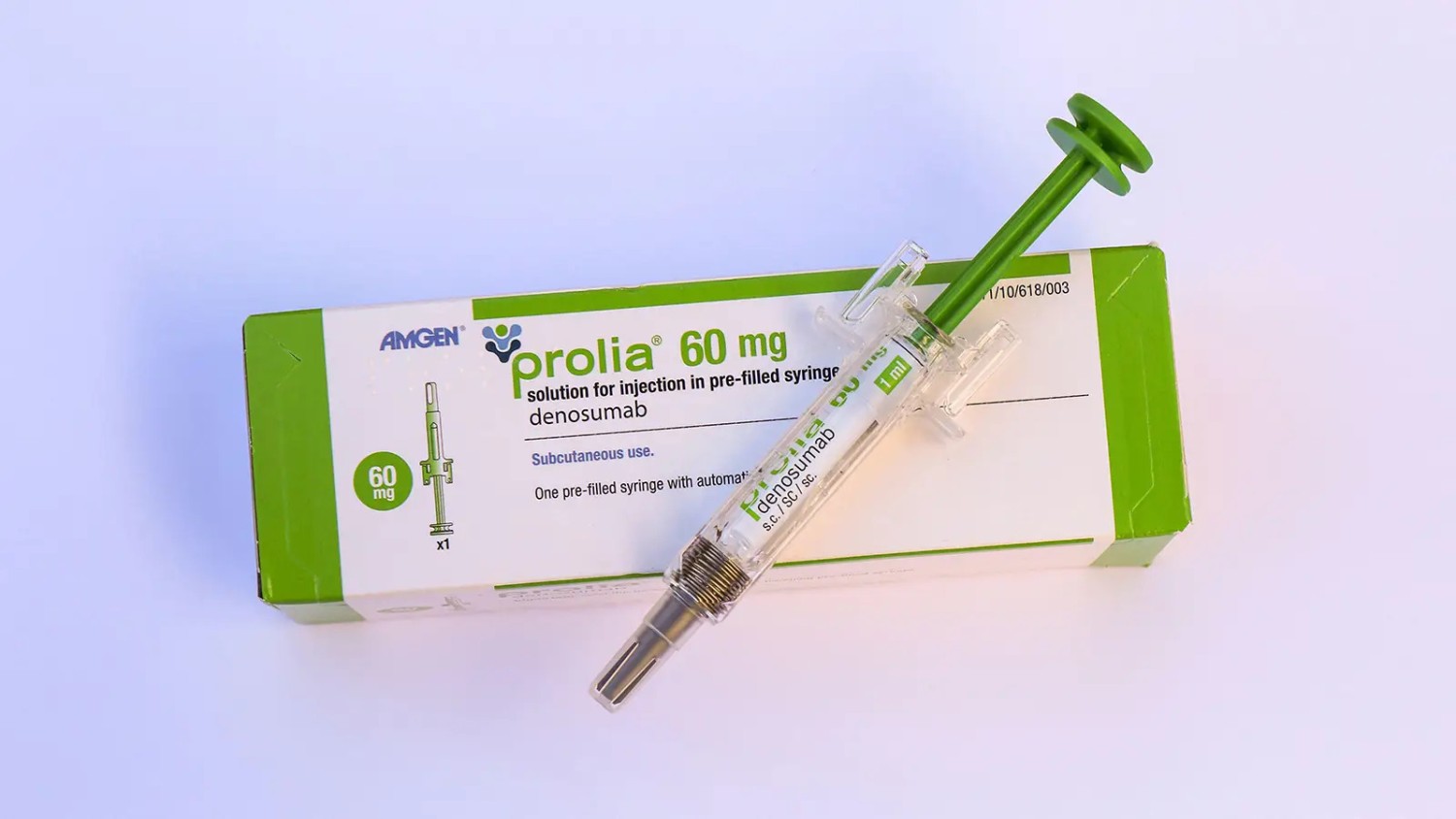 Osteoporosis is a common bone condition that weakens bones and increases the risk of fractures, especially in older adults and postmenopausal women. One of the most effective and widely prescribed treatments for osteoporosis today is Prolia. This FDA-approved Prolia injection helps strengthen bones, reduce bone loss, and significantly lower the chances of fractures. Understanding how Prolia for osteoporosis works, along with its benefits, dosage, and possible side effects, can help patients make informed decisions about their bone health.
What is Prolia?
Prolia is a prescription medication containing denosumab, a monoclonal antibody designed to treat osteoporosis. Unlike traditional osteoporosis medications, Prolia treatment works by targeting a specific protein responsible for bone breakdown. By slowing bone loss, Prolia injection helps the body build stronger and denser bones over time.
How Does Prolia Work?
Bones constantly break down and rebuild in a natural process. In osteoporosis, bone breakdown happens faster than bone formation. Prolia for osteoporosis blocks a protein called RANKL, which is responsible for activating cells that break down bone. By inhibiting this process, Prolia reduces bone loss and increases bone density.
Benefits of Prolia Injection
There are several important Prolia benefits for people suffering from osteoporosis:
- Significantly reduces the risk of spine, hip, and other fractures
- Improves bone density in postmenopausal women and older adults
- Convenient Prolia dosage — only once every 6 months
- Suitable for patients who cannot tolerate other osteoporosis medications
- Helps maintain long-term bone strength
Who Should Take Prolia?
Prolia treatment is recommended for:
- Postmenopausal women with osteoporosis
- Men with osteoporosis at high risk of fractures
- Patients who cannot use other osteoporosis medications
- Individuals with bone loss due to certain medical treatments
A healthcare provider will evaluate bone density and medical history before recommending Prolia injection.
Prolia Dosage and Administration
The standard Prolia dosage is a 60 mg injection given once every six months by a healthcare professional. Patients are also advised to take calcium and vitamin D supplements during Prolia treatment to support bone health.
Prolia Side Effects
Like all medications, Prolia side effects may occur, although not everyone experiences them. Common side effects include:
- Back pain
- Muscle pain
- Joint pain
- Skin rashes
- Low calcium levels
Rare but serious Prolia side effects may include infections, jaw bone problems, or unusual thigh bone fractures. Regular monitoring by a doctor is important during Prolia treatment.
Why Prolia is a Preferred Osteoporosis Medication
Compared to daily or weekly pills, Prolia injection offers long-lasting protection with just two doses a year. This convenience, combined with proven effectiveness, makes Prolia for osteoporosis a preferred option for many patients and healthcare providers.
Conclusion
Osteoporosis can silently weaken bones over time, leading to serious fractures. Prolia offers a powerful and convenient solution for strengthening bones and reducing fracture risk. With proper Prolia dosage, monitoring for Prolia side effects, and consistent medical supervision, patients can significantly improve their bone health and quality of life.
Frequently Asked Questions (FAQs)
1. What is Prolia used for?
Prolia is used to treat osteoporosis and reduce the risk of fractures by strengthening bones.
2. How often is the Prolia injection given?
The standard Prolia dosage is one injection every six months.
3. Are there any common Prolia side effects?
Yes, common Prolia side effects include back pain, joint pain, and skin reactions.
4. Who should not take Prolia?
People with low calcium levels or certain infections should consult their doctor before starting Prolia treatment.
5. How long does Prolia take to work?
Prolia begins working soon after injection, but noticeable bone density improvement occurs over several months.
Explore how Prolia supports stronger bones — visit our website https://americaninfusioncare.com/treatment-and-care/available-therapies/ and call us at (832) 800-3213 for details.