
Prolia Therapy: Long-Term Bone Strength & Fracture Prevention
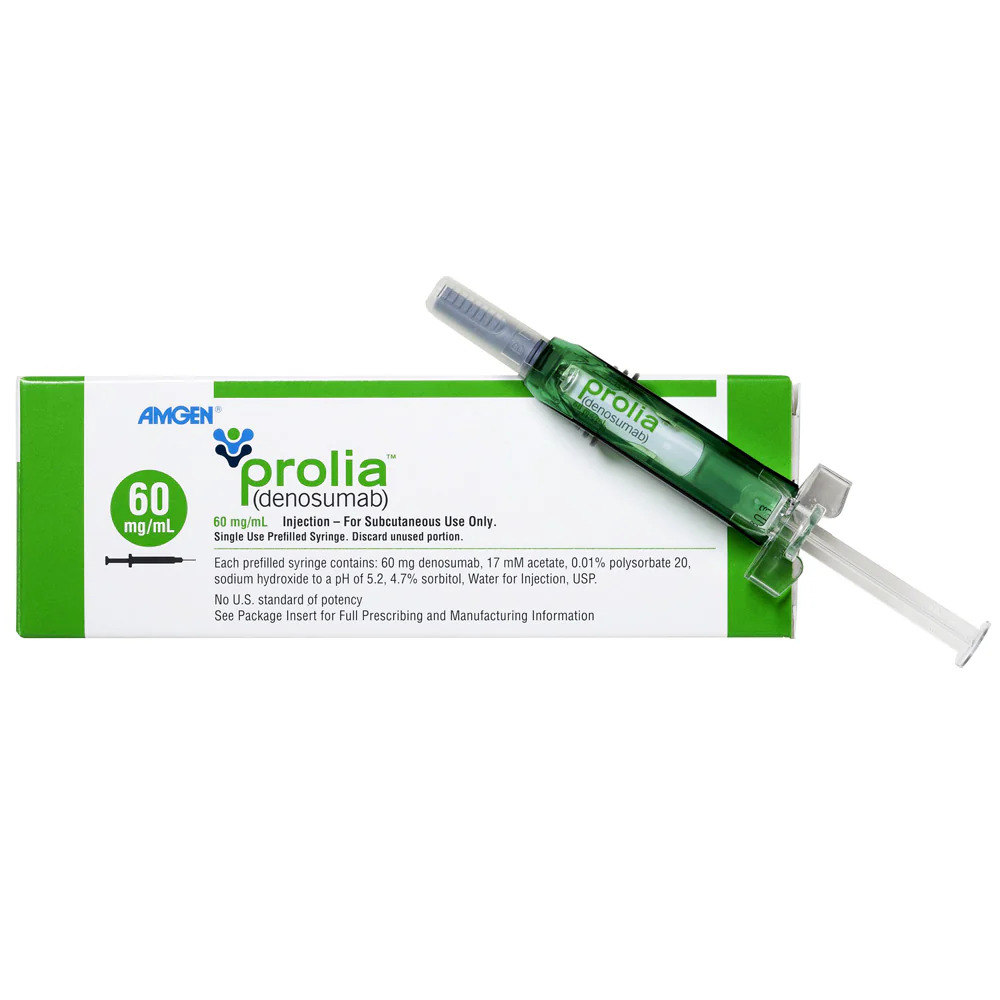 Osteoporosis is a condition that weakens bones, making them more prone to fractures. For millions of individuals, maintaining bone health is a lifelong challenge. Prolia, a widely recognized treatment, has emerged as a significant solution for long-term bone strength and fracture prevention. This article explores the benefits, usage, and safety considerations of Prolia injection as part of osteoporosis and bone loss management.
What is Prolia?
Prolia is a prescription medication specifically designed to help treat osteoporosis and reduce the risk of fractures. It is a monoclonal antibody that works by targeting a protein responsible for bone breakdown. By inhibiting this protein, Prolia for osteoporosis helps maintain bone density and improve bone strength over time. Unlike traditional oral medications, Prolia injection is administered under the skin, making it convenient for patients who may have difficulty with daily pills.
How Prolia Works
The effectiveness of Prolia lies in its ability to slow down the activity of osteoclasts—cells responsible for breaking down bone tissue. By limiting bone resorption, Prolia allows osteoblasts, the cells responsible for building bone, to maintain a balance in bone remodeling. This process is crucial for patients undergoing bone loss treatment, as it helps strengthen bones and reduces the likelihood of fractures, particularly in the spine, hip, and other critical areas.
Prolia Dosage and Administration
Prolia dosage typically involves a subcutaneous injection every six months. Each dose is administered by a healthcare professional, ensuring correct delivery and monitoring for any potential side effects. Patients are usually advised to continue taking calcium and vitamin D supplements alongside Prolia to maximize its effectiveness. It is essential for individuals considering osteoporosis treatment with Prolia to follow their physician’s instructions closely for optimal results.
Benefits of Prolia Therapy
Prolia therapy offers several key advantages for those at risk of fractures due to osteoporosis:
- Long-term bone strength: By maintaining bone density, Prolia helps reduce the risk of fractures over time.
- Convenient dosing schedule: Biannual injections provide an easier alternative for patients who struggle with daily medications.
- Effective fracture prevention: Clinical studies show a significant reduction in the incidence of vertebral, non-vertebral, and hip fractures among users of Prolia injection.
Possible Prolia Side Effects
While Prolia is generally well-tolerated, some individuals may experience side effects. Common Prolia side effects include:
- Back pain
- Muscle pain
- Joint pain
- Elevated cholesterol levels
- Mild skin reactions at the injection site
Severe side effects are rare but may include low calcium levels, severe allergic reactions, or unusual thigh, hip, or groin pain. Patients are advised to report any concerning symptoms to their healthcare provider promptly.
Who Should Consider Prolia?
Prolia for osteoporosis is recommended for postmenopausal women and men at high risk of fractures. It is especially suitable for individuals who cannot tolerate oral osteoporosis medications or who need additional bone loss treatment. A healthcare professional can determine whether Prolia therapy is appropriate based on bone density tests, fracture history, and overall health status.
Conclusion
Prolia therapy represents a breakthrough in osteoporosis and bone loss treatment, providing long-term bone strength and effective fracture prevention. With proper Prolia dosage, monitoring, and adherence to treatment, patients can significantly reduce their fracture risk and improve quality of life. Discussing the potential benefits and Prolia side effects with a healthcare provider is essential for safe and effective therapy.
Frequently Asked Questions (FAQs)
Q1: How often is Prolia administered?
A1: Prolia is given as a subcutaneous injection every six months.
Q2: Can Prolia be used with other osteoporosis treatments?
A2: Yes, but patients should discuss potential interactions with their doctor. Calcium and vitamin D supplementation is recommended.
Q3: Are there serious side effects of Prolia?
A3: Serious side effects are rare but may include low calcium levels or severe allergic reactions. Regular monitoring is advised.
Q4: How long does it take for Prolia to show results?
A4: Many patients notice improvements in bone density within six months, with optimal results over long-term use.
Q5: Can men use Prolia for osteoporosis?
A5: Yes, Prolia is approved for men at high risk of fractures due to osteoporosis.
Protect your bone health with Prolia—effective and easy! Call us now at (832) 510-7824 or visit our website https://americaninfusioncare.com/treatment-and-care/available-therapies/ to get started.