
Reclast Osteoporosis Treatment: One-Year Bone Strength Solution
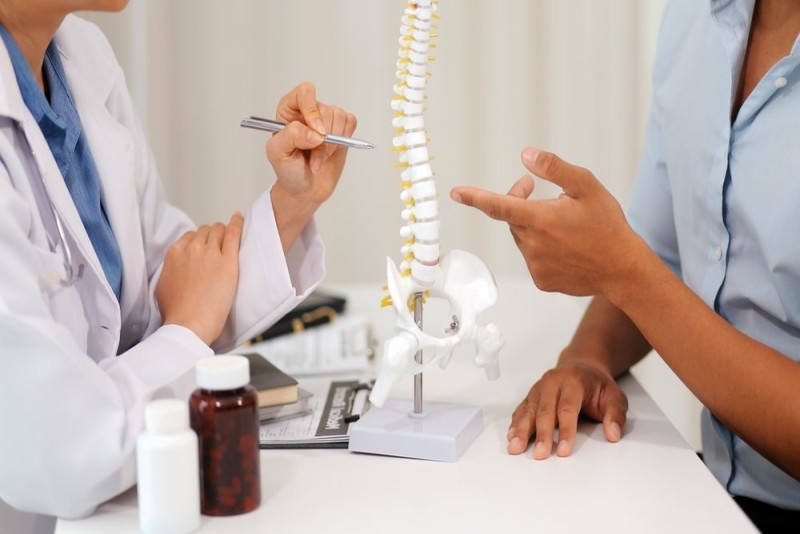 Osteoporosis is a common condition that weakens bones, making them fragile and more susceptible to fractures. Among the various treatment options available, Reclast has emerged as a powerful solution for improving bone strength and reducing the risk of fractures. This article explores how Reclast treatment works, its benefits, and what patients need to know about this once-a-year therapy.
What is Reclast?
Reclast is a brand name for zoledronic acid, a medication designed to slow down bone loss and enhance bone density. It belongs to a class of drugs called bisphosphonates, which are widely used in osteoporosis treatment. Unlike daily or weekly osteoporosis medications, Reclast infusion is administered once a year, making it a convenient option for patients seeking a long-term solution.
How Reclast Works
Reclast treatment works by inhibiting the activity of cells called osteoclasts, which are responsible for breaking down bone tissue. By slowing bone breakdown, Reclast allows the body to rebuild and strengthen bones, reducing the risk of fractures, especially in the spine, hips, and wrists. This mechanism makes Reclast an effective bone loss therapy for both postmenopausal women and men with osteoporosis.
The Reclast Infusion Process
Reclast infusion is typically administered intravenously in a healthcare setting under the supervision of a qualified provider. The procedure usually takes about 15 to 30 minutes, and patients can return home the same day. Because it is a once-yearly infusion, it eliminates the need for daily pills, improving adherence and convenience for many patients.
Before receiving Reclast, healthcare providers often perform blood tests to check kidney function and ensure adequate levels of calcium and vitamin D. This step is crucial for reducing potential Reclast side effects.
Benefits of Reclast Treatment
The primary benefit of Reclast is its ability to strengthen bones and reduce fracture risk. Clinical studies have shown that patients receiving Reclast infusion experience significant improvements in bone density. Other advantages include:
- Convenience: One infusion per year versus daily or weekly medications.
- Effectiveness: Reduces the risk of vertebral, hip, and other fractures.
- Compliance: Annual administration ensures patients complete the full course of therapy.
By addressing bone fragility directly, Reclast serves as an effective bone loss therapy for individuals struggling with osteoporosis.
Possible Reclast Side Effects
Like all medications, Reclast may cause side effects. Common Reclast side effects include:
- Flu-like symptoms (fever, fatigue, muscle aches) within a few days of infusion
- Headache or mild nausea
- Low calcium levels, which can be mitigated with calcium and vitamin D supplementation
Serious side effects are rare but may include kidney problems or jaw osteonecrosis. Patients are encouraged to discuss their medical history with their provider before starting Reclast treatment.
Who Should Consider Reclast?
Reclast infusion is recommended for postmenopausal women and men with osteoporosis who are at high risk of fractures. It may also be used in patients who cannot tolerate oral bisphosphonates or have difficulty adhering to daily or weekly dosing schedules. Reclast provides a convenient, long-term solution for maintaining bone strength and minimizing fracture risk.
Conclusion
Reclast offers a convenient and effective osteoporosis treatment that can strengthen bones and reduce fracture risk with just one infusion per year. By slowing bone loss through zoledronic acid, Reclast treatment provides a reliable solution for individuals seeking long-term bone health. While potential Reclast side effects exist, proper medical supervision ensures a safe and effective therapy for managing osteoporosis.
Frequently Asked Questions (FAQs)
1. How often is Reclast administered?
Reclast infusion is given once a year, making it a convenient option for long-term osteoporosis management.
2. What is Reclast made of?
Reclast contains zoledronic acid, a bisphosphonate that slows bone breakdown and improves bone density.
3. Are there any side effects of Reclast?
Common Reclast side effects include flu-like symptoms, headache, and low calcium levels. Serious complications are rare.
4. How long does a Reclast infusion take?
The infusion usually takes 15 to 30 minutes and is administered in a healthcare setting.
5. Who should avoid Reclast treatment?
Patients with severe kidney problems, low calcium levels, or certain medical conditions should consult their healthcare provider before starting Reclast treatment.
Improve your bone strength with Reclast. Visit our website https://americaninfusioncare.com/treatment-and-care/available-therapies/ and call us at (832) 510-7824 to get started!